
Common Financial Mistakes Small Businesses Make and How to Avoid Them
Understanding Common Financial Mistakes
Running a small business comes with its own set of challenges, especially when it comes to managing finances. Many entrepreneurs make the same financial mistakes, which can hinder growth or even jeopardize the business's future. By identifying and understanding these common pitfalls, small business owners can take proactive steps to avoid them.
One of the most crucial errors is underestimating expenses. It's easy to overlook smaller costs that can quickly add up. Regularly reviewing and updating your budget to reflect actual expenses can help prevent this issue.

Lack of Cash Flow Management
Cash flow is the lifeline of any business. Many small businesses fail because they don't manage their cash flow effectively. This often results in insufficient funds to cover daily operations. To avoid this, create a cash flow forecast, monitor it regularly, and adjust your spending accordingly.
Additionally, consider setting up a cash reserve for emergencies. This safety net can help sustain your business during unexpected downturns or delays in payments from clients.

Overlooking Tax Obligations
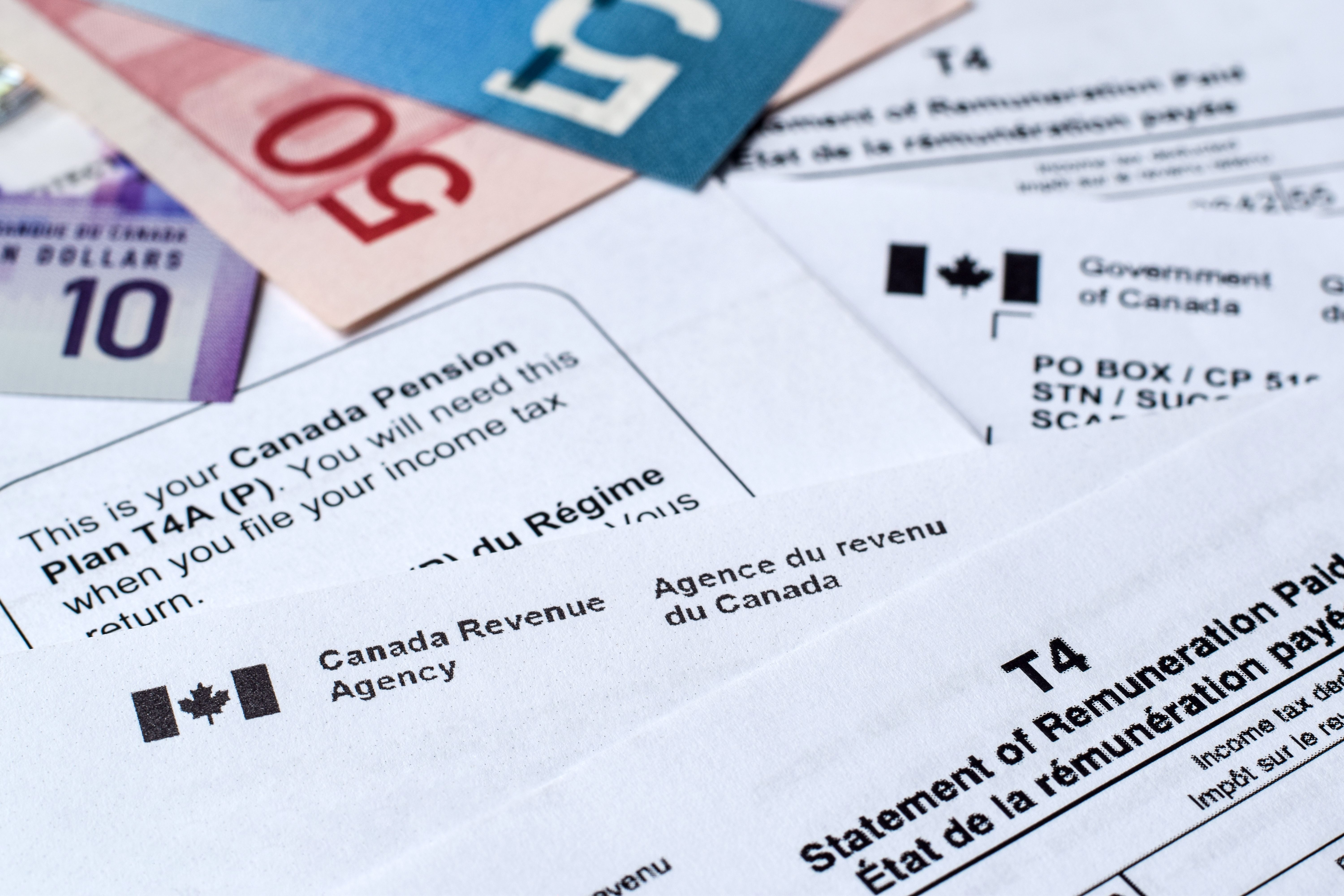
Another common financial mistake is neglecting tax obligations. Small business owners may forget to set aside funds for taxes or misunderstand their tax liabilities. This can result in penalties and interest, affecting the financial health of the business.
To avoid this, stay informed about your tax responsibilities and deadlines. Hiring a professional accountant or tax advisor can also provide valuable insights and ensure compliance.
Inefficient Pricing Strategies
Setting the right price for your products or services is crucial. Many small businesses either underprice or overprice, leading to lost revenue or decreased competitiveness. Conduct thorough market research to understand your target audience and competitors, and adjust your pricing strategy accordingly.
- Analyze competitor pricing
- Understand customer value perception
- Regularly review and adjust prices
Remember, pricing isn't static. Regularly reevaluate to ensure it aligns with market trends and business goals.
Over-Reliance on Debt
Small businesses often rely on loans or credit to fund operations. While debt can be a useful tool, excessive reliance can lead to financial strain. It's important to maintain a healthy balance between debt and equity.
Consider alternative financing options, such as seeking investors or reinvesting profits, to reduce dependency on debt. Always evaluate the terms and conditions before taking on new debt to ensure it aligns with your business's financial capabilities.
Conclusion: Building a Solid Financial Foundation
By recognizing and addressing these common financial mistakes, small business owners can set their companies on a path to success. Regular financial reviews, strategic planning, and expert advice are key components in building a solid financial foundation.
Remember, effective financial management is an ongoing process. Stay vigilant, adaptable, and informed to navigate the ever-changing business landscape successfully.