Understanding British Columbia’s Tax Regulations: A Kelowna Perspective
Introduction to British Columbia's Tax Landscape
Understanding the tax regulations in British Columbia is crucial for residents and businesses alike. With its unique policies and requirements, navigating the tax landscape can be challenging, especially from a Kelowna perspective. This guide aims to break down the key elements of BC's tax system to provide clarity and confidence.
British Columbia's tax system is influenced by both federal and provincial regulations. As such, taxpayers must be aware of the nuances that distinguish BC's tax obligations from those in other provinces.

Provincial Sales Tax (PST) in BC
The Provincial Sales Tax (PST) is a consumption tax applied to the purchase or lease of goods and services in BC. Unlike the federal Goods and Services Tax (GST), PST is a separate charge and requires separate registration for businesses operating in the province.
In Kelowna, businesses must ensure compliance with PST by properly registering and remitting the tax. The current PST rate in BC is 7%, and it applies to most goods and services, with specific exemptions and exceptions.
Exemptions and Exceptions
Certain goods and services are exempt from PST, including groceries, residential utilities, and some medical devices. Understanding these exemptions is essential for both consumers and businesses to avoid overpayment or mischarging of taxes.
Income Tax Considerations
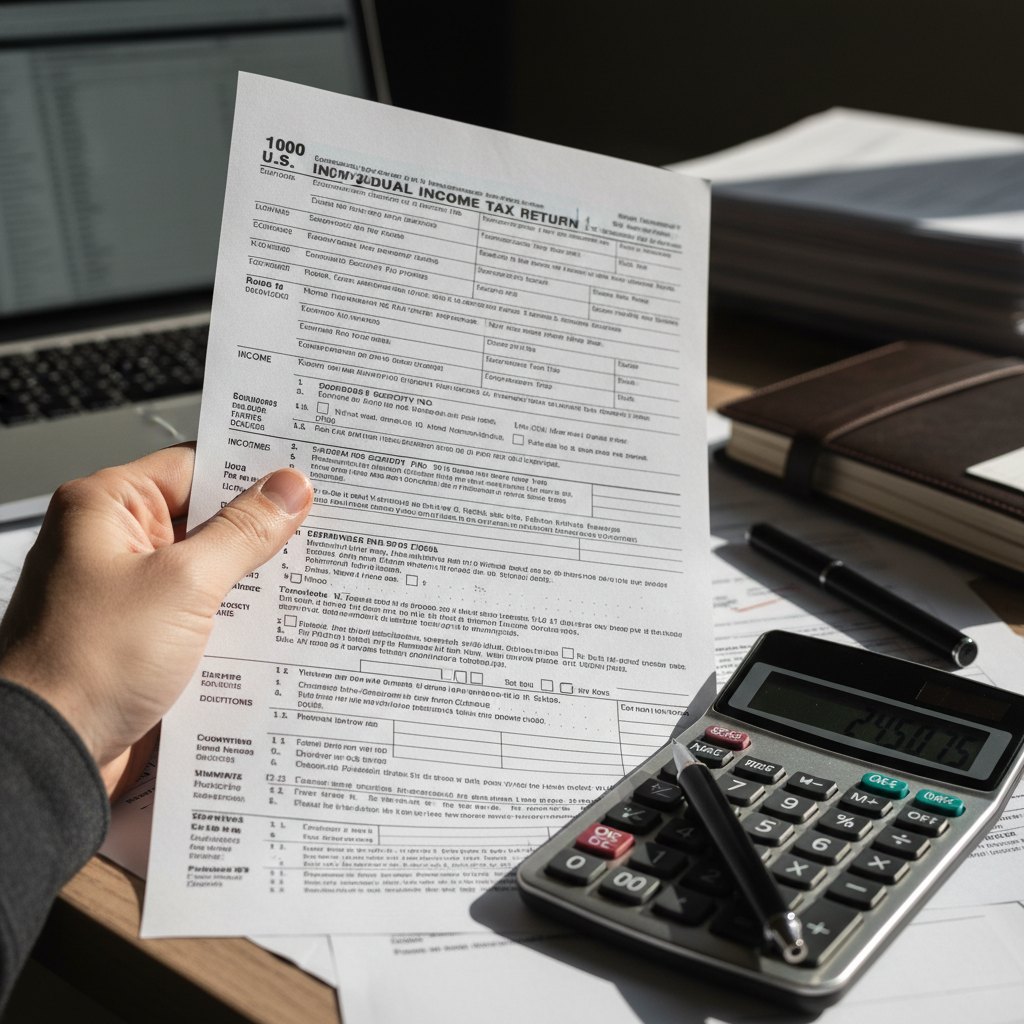
Residents of Kelowna, like all BC residents, are subject to both federal and provincial income taxes. These taxes are calculated based on income levels, with BC implementing a progressive tax rate system.
- Income under $42,184 is taxed at 5.06%.
- Income between $42,184 and $84,369 is taxed at 7.7%.
- Higher income brackets are subjected to increased rates.
Taxpayers can take advantage of various credits and deductions to reduce their taxable income, including the BC sales tax credit and climate action tax credit.
Property Tax in Kelowna
Property tax is a significant concern for homeowners in Kelowna. These taxes are levied by the municipal government and are based on the assessed value of the property. The funds collected support local services such as schools, parks, and emergency services.
Understanding how property assessments are conducted and how rates are determined can help homeowners anticipate their tax obligations and plan accordingly.

Corporate Taxation
Businesses in Kelowna must navigate both federal and provincial corporate taxes. The provincial corporate income tax rate in BC is 12%, while the small business rate is reduced to 2%. This distinction is crucial for small and medium-sized enterprises aiming to optimize their tax strategies.
Additionally, businesses can benefit from various incentives and credits, such as the Scientific Research and Experimental Development (SR&ED) tax credit.
Conclusion
Understanding the intricacies of British Columbia's tax regulations is essential for individuals and businesses in Kelowna. By staying informed about provincial sales tax, income tax, property tax, and corporate tax requirements, taxpayers can ensure compliance and make informed financial decisions.
For more detailed guidance, consulting with a tax professional or accountant familiar with BC's regulations can provide personalized assistance and peace of mind.